Desert Ecology
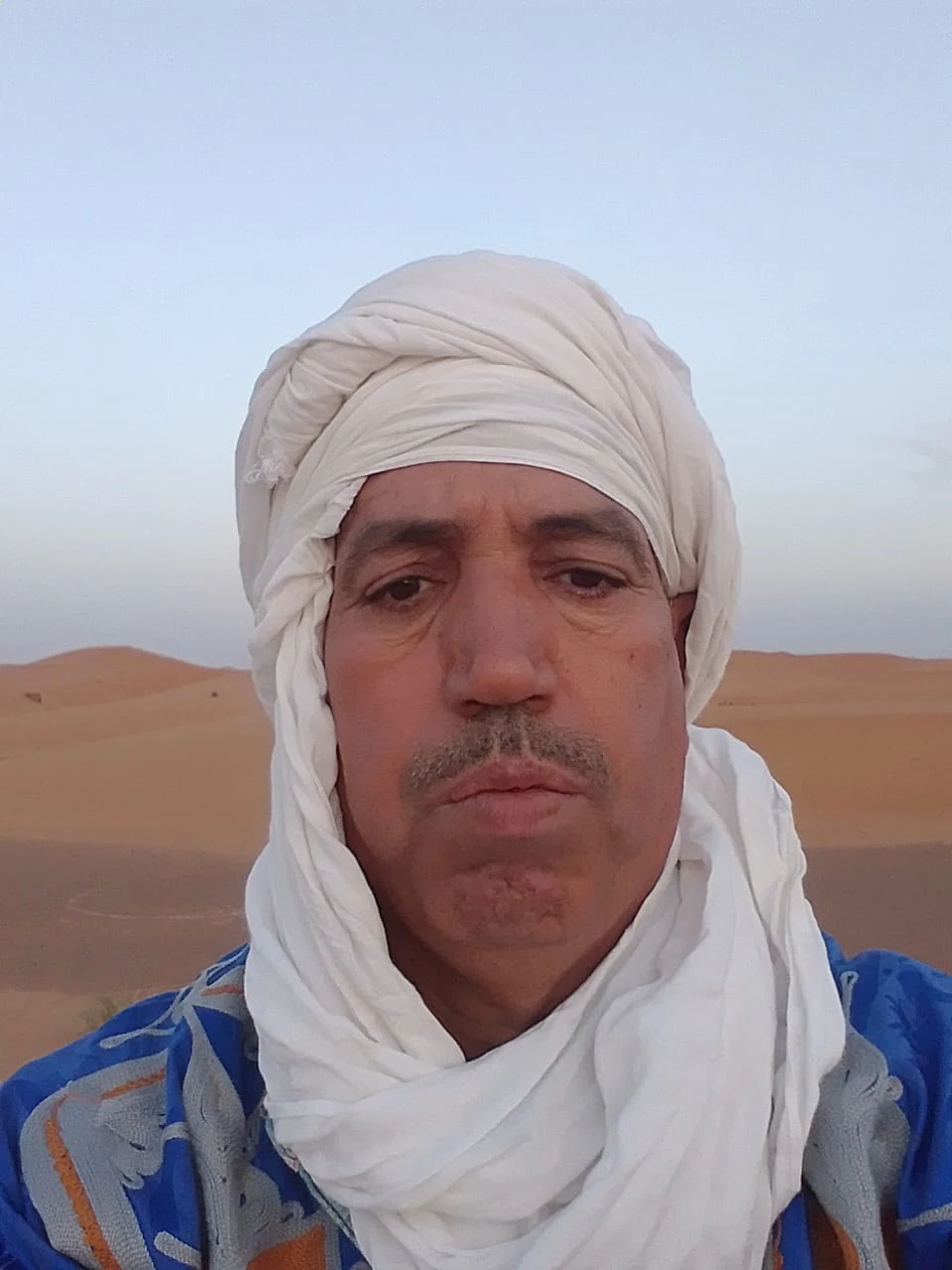
By Brahim
July 6, 2026
Discover how birds, mammals, reptiles, insects, and native plants survive in one of the world's most challenging environments. Learn about the delicate ecosystems that make the Moroccan Sahara such an extraordinary destination.
Adapting to the Extremes
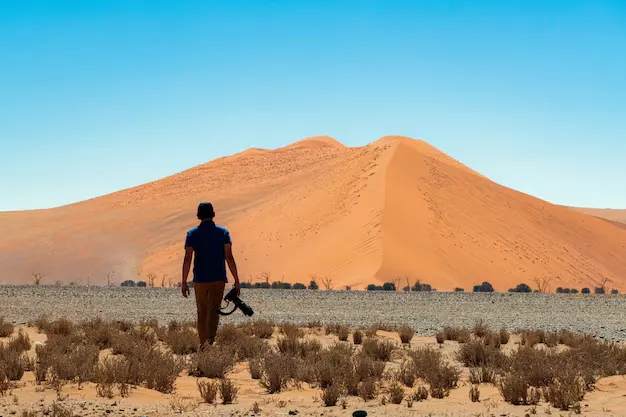
At first glance, the desert might seem like an empty, inhospitable wilderness. In reality, it is a complex, finely tuned ecosystem where every living organism has developed extraordinary adaptations to survive and thrive.
Understanding how Sahara wildlife interacts with this extreme environment adds a profound layer of appreciation to your journey.
Incredible Water-Saving Adaptations
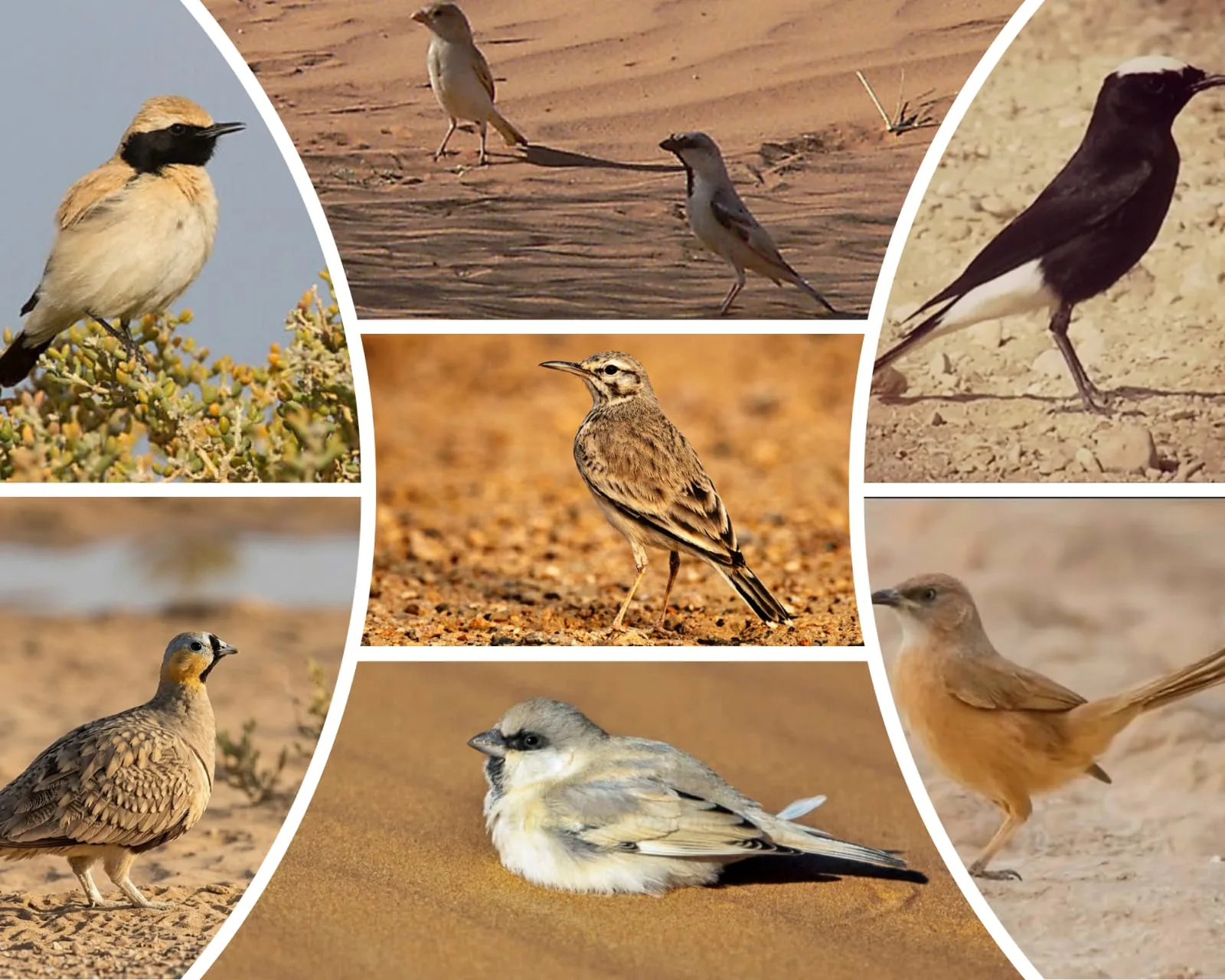
Water is the ultimate luxury in the desert. Male sandgrouse have specialized belly feathers that can soak up water, which they can carry back to their chicks after visiting a water source. Other desert birds also rely on a combination of food, shade, and available water sources to cope with dry conditions.
Beating the Saharan Heat
To survive temperatures that can exceed 40°C, desert animals use ingenious strategies. Many birds are active only during the cooler early morning and late afternoon, spending the hot midday hours resting deep inside tamarisk bushes or stone crevices. Mammals like the Fennec Fox have large ears that radiate body heat to keep them cool.
The Delicate Web of Life
The survival of desert birds is closely linked to native plants and insects. Tamarisk trees provide shade and nesting sites, while desert scrub attracts beetles, ants, and spiders that serve as crucial food sources.
By visiting the desert with respect and learning about its ecology, we help support the protection of these fragile and beautiful food webs.

Brahim the Guide
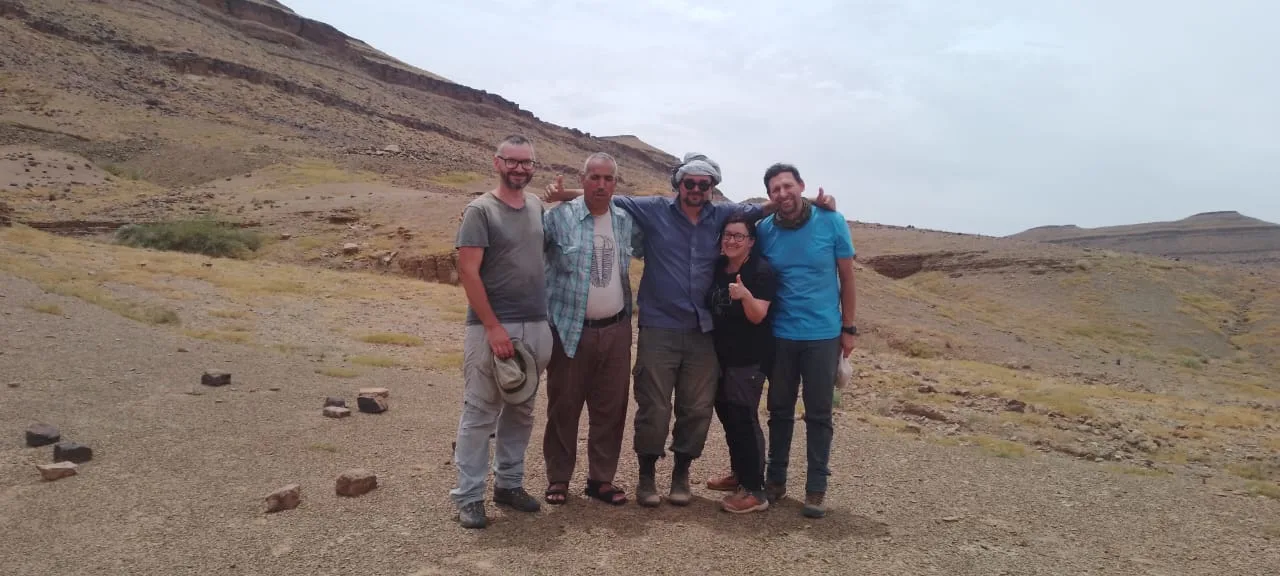
Brahim is a native of Merzouga village who has spent over 8 years tracking desert birds across the Sahara. His passion for wildlife conservation and ethical birdwatching makes every guided tour an authentic and memorable experience.